
Educational Assistant Certificate Program Details.
MaKami’s one-year Blended-HyFlex Educational Assistant Certificate program equips students with inclusive strategies, academic and behavior management skills, and practical use of AI and assistive technologies. It also incorporates a 225-hour practicum to support learning in complex classrooms.
Blended-HyFlex allows students to:
- Attend classes live on campus
- Join live-streamed classes from home
- Watch recorded classes anytime afterward (alternate pathway)
Where this certificate takes you.
Career opportunities include positions in public and private schools, specialized learning centers, and community education programs.







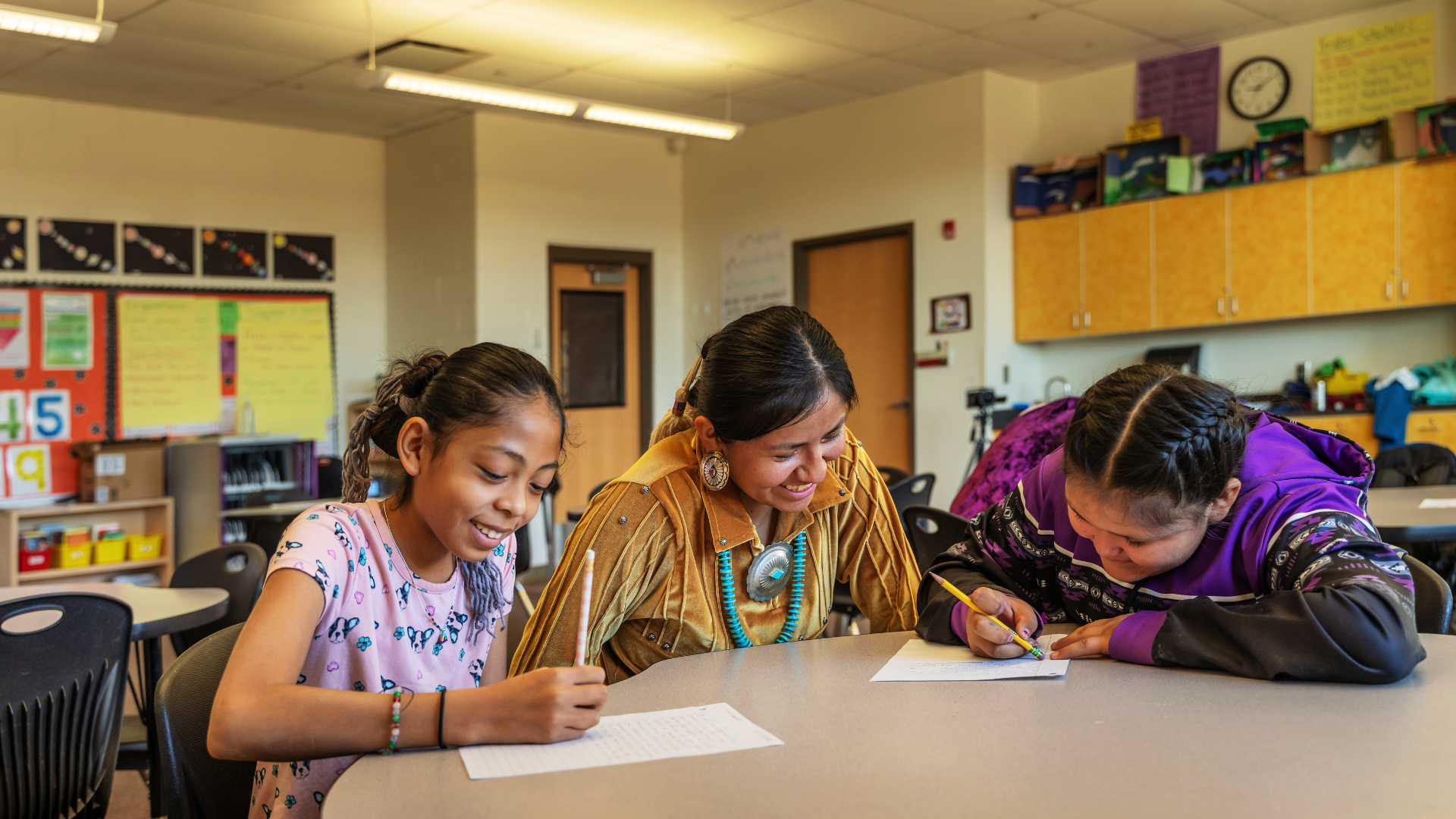
Graduates can find employment in roles such as the following:
Strong job market demand long-term.
Training that goes further.
Graduates of this program will be able to apply their knowledge of child and adolescent development principles to address the needs of diverse learners in a culturally responsive environment. They will have skills to support curriculum delivery by assisting with academic subjects using assistive technologies, adaptive and flexible instruction, and practical strategies in inclusive settings.
Educational Assistant program graduates will be prepared to implement practical, trauma-informed approaches to complex classrooms to improve student engagement, accessibility, and independence. Graduates will integrate a universal design for learning to support students with complex needs using strengths-based proactive approaches, enhancing learner success.
Through ethical and professional practices, graduates will promote belonging and equity, positive behaviour, and collaboration in classrooms.
Learn More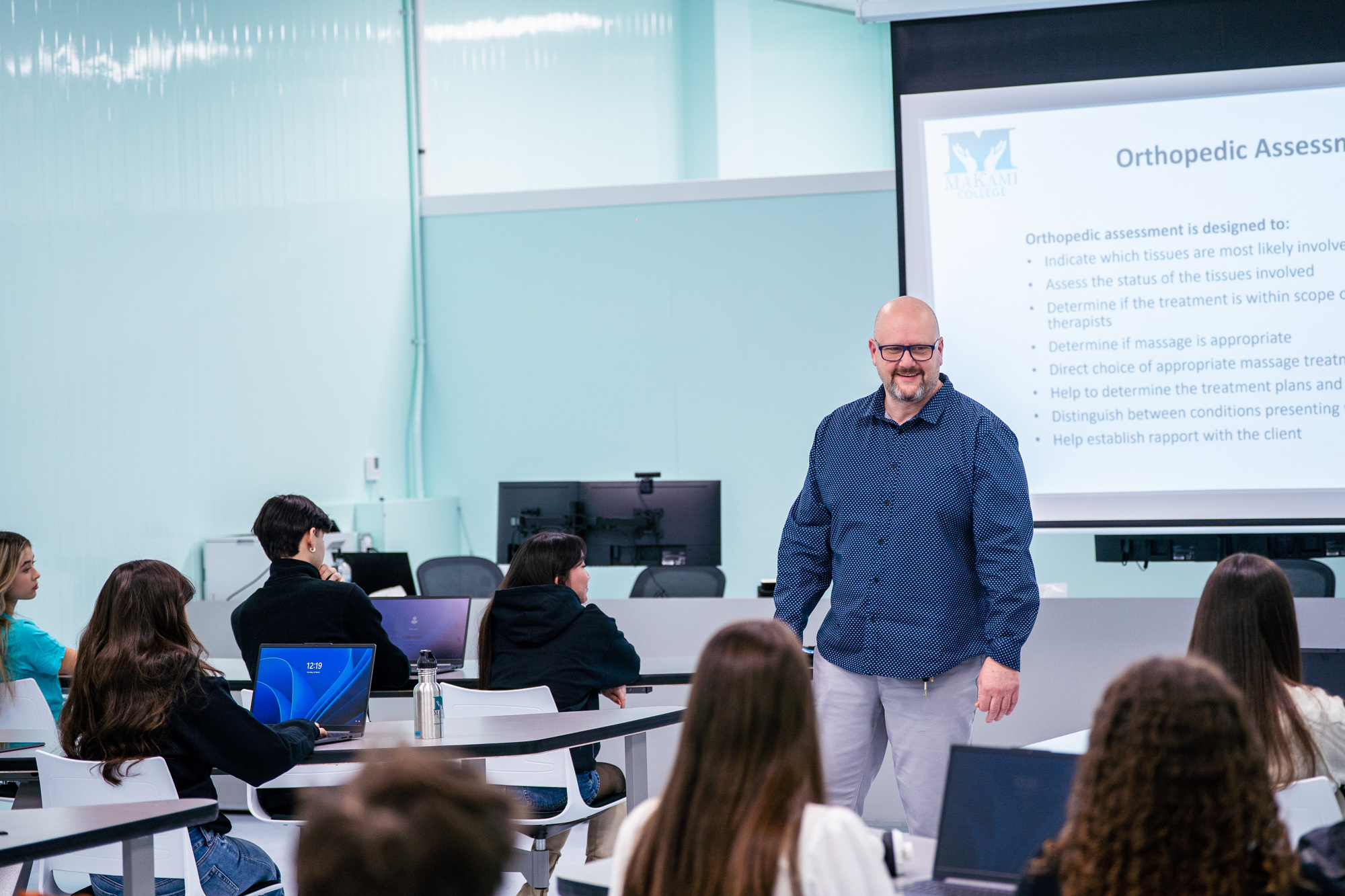
Find your path to enrollment.
MaKami College supports multiple entry points — from standard admission to mature learners, transfer students, and prior learning recognition.
Pathway 1
Standard Admission
- Minimum 17 years of age
- Successful interview with the school
- Alberta high school diploma/non-Alberta equivalent
Pathway 2
Mature Admission
Minimum 18 years of age and one or more of the following requirements:
- Successful interview with school administration
- Significant prior work or volunteer experience
- MaKami College Entrance Exam
- Completion of post-secondary continuing education, certificate, diploma, or higher, in Canada
Pathway 3
Transfer Pathway
Applicants may be eligible for admission and/or advanced standing through a transfer pathway based on prior post-secondary education. Transfer pathways may include:
a) Internal Program Transfers
Graduates or students from MaKami College programs may transfer into another program or cohort subject to:
- Program relevance
- Academic standing
- Credit transfer eligibility
- Institutional approval
b) External Transfer Agreements
Applicants who have completed coursework at recognized post-secondary institutions may be considered for admission and/or advanced standing through formal articulation or transfer agreements, where applicable.
c) Transfer Alberta
Where applicable, transfer credit may be granted in accordance with Transfer Alberta guidelines. Transfer decisions are subject to:
- Transfer Alberta equivalency listings
- Institutional policies
- Program-specific learning outcomes
Transfer credit does not guarantee admission and is assessed on a case-by-case basis. Applicants are still required to meet the program admission standards.
Pathway 4
Prior Learning Assessment (PLAR)
Applicants may be considered for admission and/or advanced standing through Prior Learning Assessment and Recognition (PLAR). PLAR recognizes knowledge and skills gained outside of formal education, including but not limited to:
- Work experience
- Professional certifications or licenses
- Military training
- Volunteer experience
- Non-credit training or workshops
PLAR assessment methods may include:
- Portfolio review
- Skills demonstration
- Challenge exams
- Interviews or competency validation
PLAR decisions may result in:
- Admission eligibility
- Course exemptions
- Advanced standing
If credentials are from outside Canada, the International Qualifications Assessment Service (IQAS) may be accepted to determine equivalencies.
When English is not the primary language, applicants must demonstrate English proficiency. Evidence may include one of the following (subject to institutional review):
*Valid within two years of date of testing.